
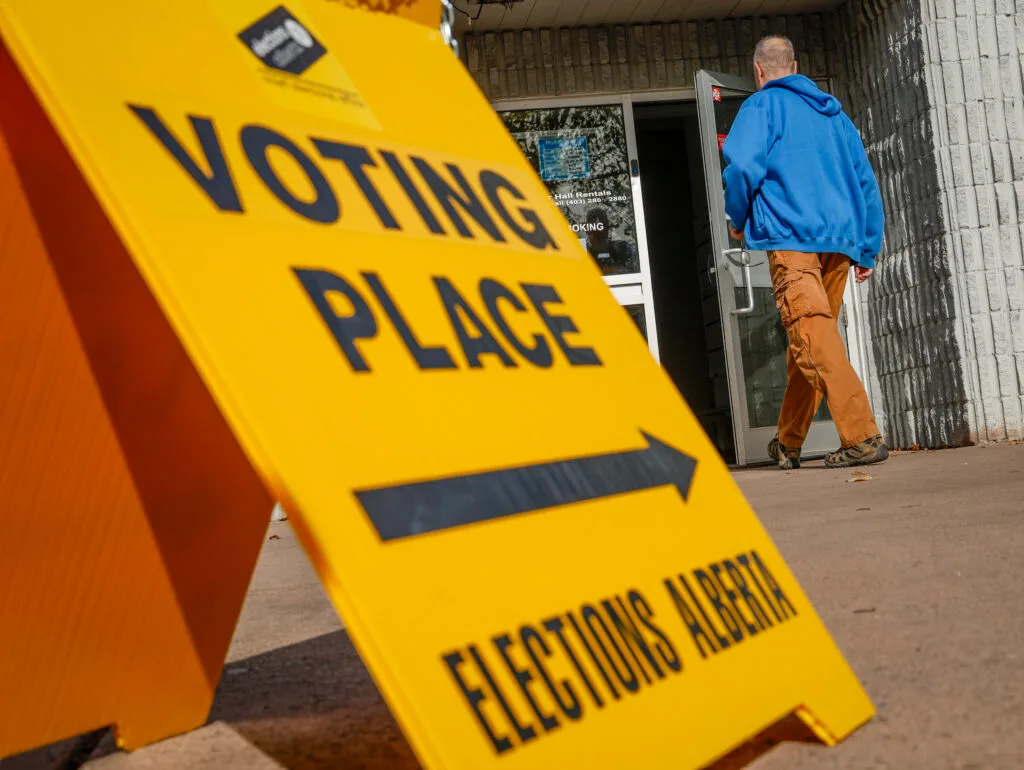
Albertans voted on October 19, 2026 on whether to stay in Canada or begin a legal process toward a binding separation vote. Unofficial results show about 75% chose to remain. For Calgary real estate, the result removes the biggest source of uncertainty, but it doesn’t end the story. Here’s what the vote means for housing, commercial property, investors and the year ahead.
What Did Albertans Vote For on October 19, 2026?
Albertans received ten questions on separate ballots. Nine dealt with immigration and constitutional changes. The tenth question drove most of the attention, and it’s the one that matters most for the province’s future.
Question 10: Remain in Canada or Start a Separation Process
Question 10 gave voters two options:
Alberta should remain a province of Canada.
Alberta should begin the legal process toward holding a binding referendum on separation.
Voting for the second option didn’t separate Alberta from Canada. It would have started a long legal process, with a binding vote possibly coming later. Under the Clarity Act, negotiations on separation can only begin after a referendum question and its result meet clarity standards, and the Act doesn’t set a fixed percentage for a clear majority.
Questions 1 to 9: Immigration and Constitutional Changes
Questions 1 to 9 covered immigration, voter eligibility and constitutional changes. Several were non-binding, so the vote doesn’t change immigration rules on its own. One question asked whether provincially funded programs should be limited to Canadian citizens, permanent residents and Alberta-approved status. That question received about 56% yes.
Alberta Referendum Results: Remain Wins With About 75%
Unofficial Results (October 20 Snapshot)
Elections Alberta’s October 20 snapshot showed unofficial Question 10 returns of 75.2% for remaining in Canada and 24.8% for starting the separation process. Those numbers are unofficial and may shift slightly as counting finishes.
Official Results Due October 29
Official results are scheduled for release on October 29, 2026. The count was slower than normal because logistics and staffing issues kept some polls open later, which delayed results.
How the Result Compared With Polling
Polls leading up to the vote showed a clear lead for staying in Canada, often in the 65% to 74% range. The final result landed in line with that pattern, with remain winning by a wide margin on Question 10.
Did Alberta Vote to Leave Canada?
No. Alberta remains part of Canada. The vote was on whether to start a process that could eventually lead to a binding separation referendum. Premier Danielle Smith has said she’ll respect the result and won’t hold a second referendum on separation during her time as premier.
How Will the Alberta Referendum Affect Calgary Real Estate?
Why Uncertainty Matters More Than the Vote Itself
Real estate doesn’t respond to politics directly. It responds to confidence. Buyers want job security. Businesses want clarity before they sign leases or expand. Lenders and investors want stable rules.
Before the vote, the Calgary Real Estate Board’s chief economist, Ann-Marie Lurie, warned that uncertainty around business investment, jobs and people moving out of the province would slow the market’s recovery. She also said a successful separation vote could lead to noticeable declines in housing values. With a remain result, that worst-case scenario is off the table.
What It Means for Calgary Home Buyers and Sellers
The remain result should reduce the risk that buyers pull back over separation fears, but it won’t cause a sudden price jump. Calgary’s residential market is driven mainly by interest rates, employment, new supply and household income.
Buyers: You may feel less pressure to wait for “certainty.” Focus on your monthly budget, job stability and how long you plan to stay.
Sellers: Price based on recent comparable sales in your neighbourhood, not on the referendum headlines.
Relocators: The result may ease concerns for people considering a move to Alberta, but local conditions still matter most.
Commercial Real Estate in Calgary After the Referendum
Commercial real estate was among the most exposed sectors during the campaign, because business confidence affects leasing, expansion and investment decisions.
Office: Tenants that paused lease decisions may start moving again. Landlords with vacancy will want to watch for renewals and sublease activity.
Retail: Retail demand depends on consumer confidence, population growth and new development. A stable outlook helps owners of well-located plazas and strip centres.
Industrial: Energy-linked and logistics users rely on long-term investment. A clearer outlook supports expansion plans.
Land and development: Developers often hold off on projects when risk is high. A lower risk premium may help new projects move forward.
What Investors and Lenders Should Watch
How cap rates and buyer demand respond over the next two to three quarters
Whether lenders adjust their approach to Alberta commercial loans
Whether business investment announcements follow the vote
What the Referendum Means for Business Relocation and Investment
Business confidence was one of the biggest concerns during the campaign. A Calgary Chamber of Commerce survey released before the vote found that 48% of businesses said they’d likely relocate if the separation process continued. A survey conducted with the Alberta Chambers of Commerce found that 28% of Calgarians said separation talks had affected their business operations, and 88% of those said the impact was negative.
A remain result removes the worst-case scenario for many of those decisions. Businesses that paused expansion or hiring now have a clearer reason to move forward, although many will wait to see how the next year plays out.
Alberta Real Estate Outlook: Scenarios for 2027
Base Case: Remain Stays the Direction
With the vote behind us, the most likely path is a gradual recovery in confidence. Business decisions that were delayed may come back, and the market can focus on the fundamentals again. Expect the recovery to be uneven across property types and neighbourhoods.
Risks to Watch
Separatist groups may keep pushing the issue, especially ahead of the 2027 provincial election.
Tension between the UCP and separatist members could create political uncertainty.
Federal and provincial disputes over energy, taxes or transfers could resurface.
Interest rates and global trade still matter more than most local political events.
What Happens Next in Alberta Politics?
October 29: Official results are released.
Separation: Smith has said there won’t be a second referendum on separation during her time as premier.
2027 election: The next provincial election is scheduled for October 2027, and identity, economics and federal relations will likely be central.
Calgary and Edmonton data: Watch monthly reports from the Calgary Real Estate Board for the clearest picture of how the market responds.
Frequently Asked Questions About the Alberta Referendum and Real Estate
Did Alberta vote to leave Canada?
No. Albertans voted on whether to remain in Canada or begin a legal process toward a future binding separation referendum. Alberta is still part of Canada.
When are the official Alberta referendum results?
Elections Alberta is scheduled to release official results on October 29, 2026.
Will the Alberta referendum change Calgary house prices?
No single vote determines prices. The result removes a major source of uncertainty, but interest rates, employment and housing supply will still drive the market.
Is there another separation referendum coming?
Premier Smith has said there won’t be a second referendum on separation during her time as premier. The next provincial election is scheduled for October 2027.
Should I buy or sell real estate because of the referendum?
Don’t make the decision based on the referendum alone. Base it on your timeline, finances and local market data. Talk to a licensed professional who can look at your specific situation.
Work With Mohit Dhillon on Calgary Real Estate
If you’re buying, selling or leasing residential or commercial property in Calgary and want to understand how current conditions affect your plans, contact Mohit Dhillon at Dhillon & Co. Real Estate Group, Century 21 Bravo Realty. For commercial opportunities, see our commercial listings, or read more Calgary market insights.
This article is general information, not financial, legal or investment advice.
